Gallery
Public whiteboard explainers from the Ankon community. 216 videos.
 1:00
1:0018 يومًا أسقطت 30 سنة — ماذا حدث بعد ثورة يناير؟
في 25 يناير 2011، خرج الملايين إلى الشوارع المصرية رافعين شعار "عيش، حرية، عدالة اجتماعية" — وفي أقل من ثلاثة أسابيع، أُجبر حسني مبارك على التنحي بعد 30 عامًا في الحكم. لكن سقوط الرأس لم يعنِ تغيير النظام. تعاقب على السلطة المجلس العسكري، ثم مرسي، ثم السيسي الذي يحكم حتى 2030 بعد تعديل الدستور — كأن الوجوه تغيّرت لكن القواعد بقيت. الثورة أثبتت أن الشعوب قادرة على إسقاط الحكام في أيام — لكن بناء دولة جديدة حقيقية قد يحتاج إلى جيل كامل.
 1:57
1:57Gifts vs. Fruits of the Holy Spirit: What's the Difference?
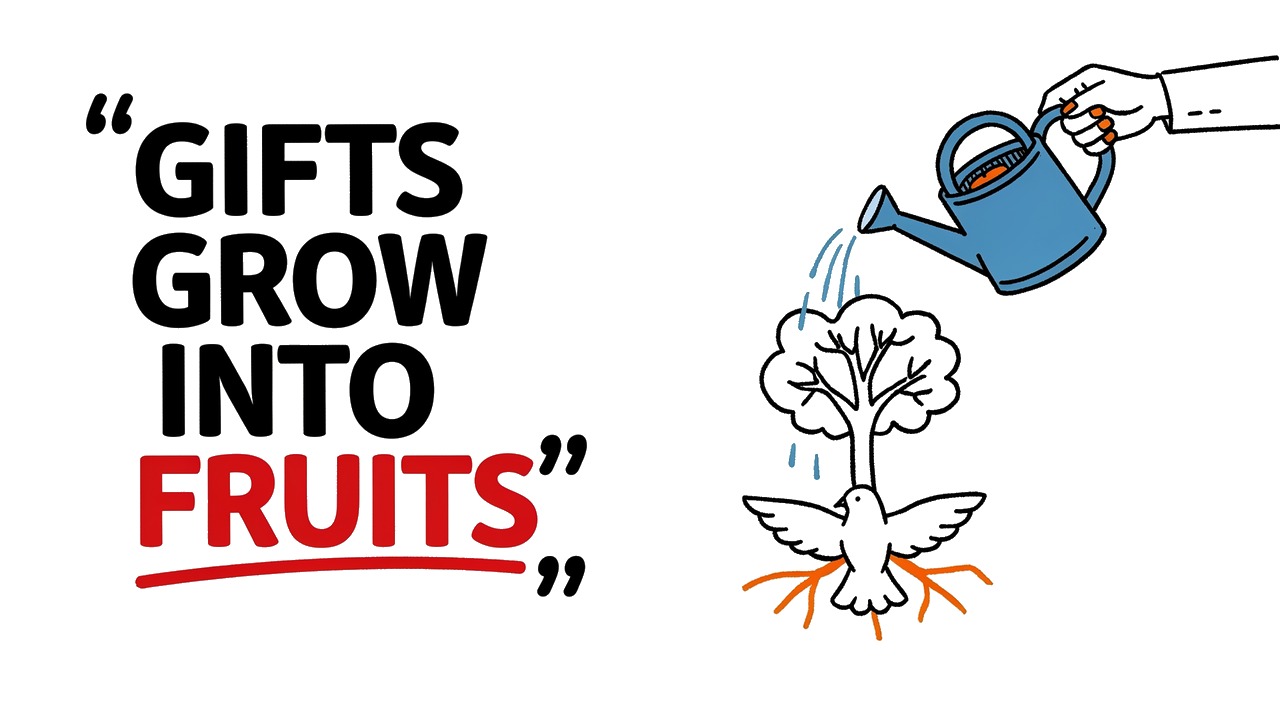
Most people have heard the phrase "fruits of the Holy Spirit" — but far fewer know there is a second, distinct category called the gifts of the Holy Spirit, and that Catholic theology treats them as fundamentally different things. One is given to you. The other is grown by you. That distinction matters more than it might first appear. The seven gifts — wisdom, understanding, counsel, fortitude, knowledge, piety, and fear of the Lord — come from Isaiah chapter eleven and are described in the Catechism as divine capacities placed inside the intellect and will. They are not earned. They are received, most formally at Confirmation, like a toolbox handed over fully assembled. The twelve fruits — charity, joy, peace, patience, kindness, goodness, generosity, gentleness, faithfulness, modesty, self-control, and chastity — come from Galatians chapter five. The Catechism calls them the visible results of actually living by the Spirit. You do not receive the fruits ready-made. You grow them over time by putting the gifts to use. What makes this framework quietly striking is its logic: the gifts are the cause, the fruits are the effect. That means every genuinely patient person, every unexplained quiet joy, is treated in Catholic thought as visible evidence that grace is real and active — not just a feeling, but something that leaves a mark.
 1:03
1:03¿Por qué JavaScript no ejecuta tu código en orden? 🤯
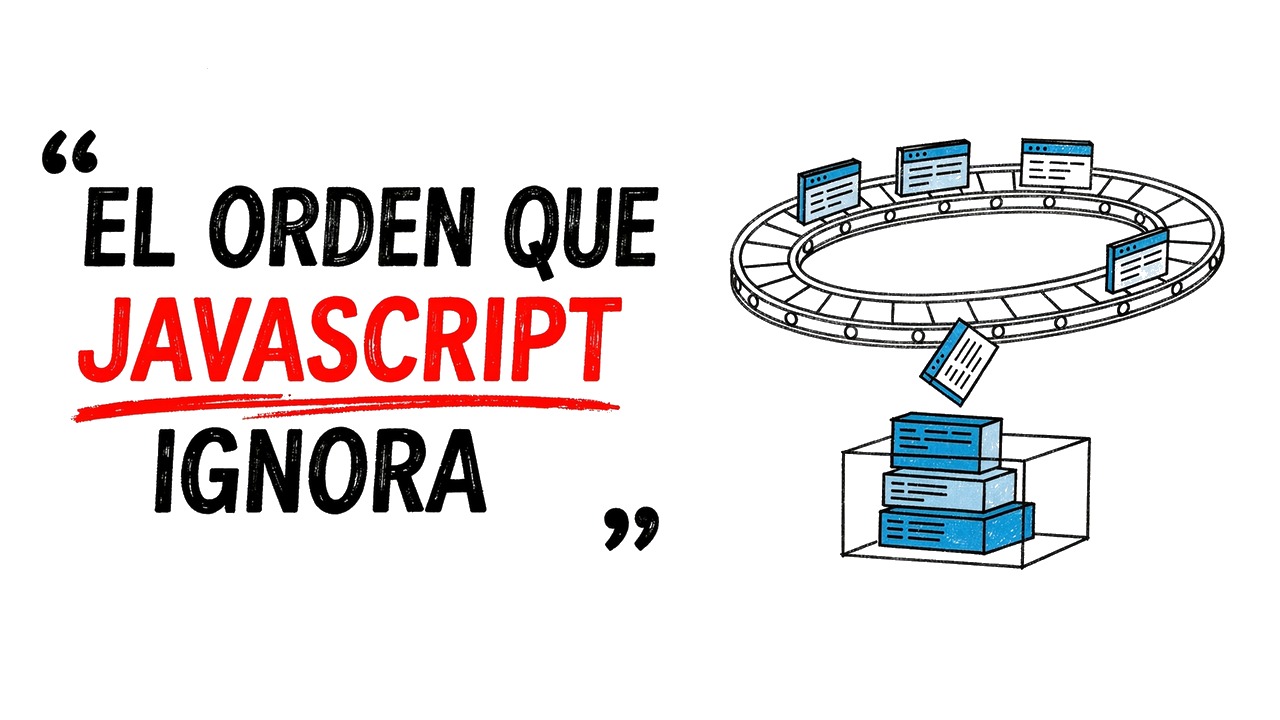
¿Alguna vez escribiste tres líneas de código, las ejecutaste y el resultado apareció en un orden completamente inesperado? No estás loco, es el Event Loop en acción. JavaScript funciona con un solo hilo de ejecución, pero tiene un sistema inteligente para manejar tareas: el Call Stack, la Task Queue y la Microtask Queue. Las Promesas siempre tienen prioridad sobre los setTimeout, sin importar el tiempo que les pongas. Entender cómo el navegador realmente ejecuta tu código es lo que separa a alguien que programa por suerte de alguien que programa con control total.
 1:02
1:02Stop Managing Pickleball Tournaments the Hard Way
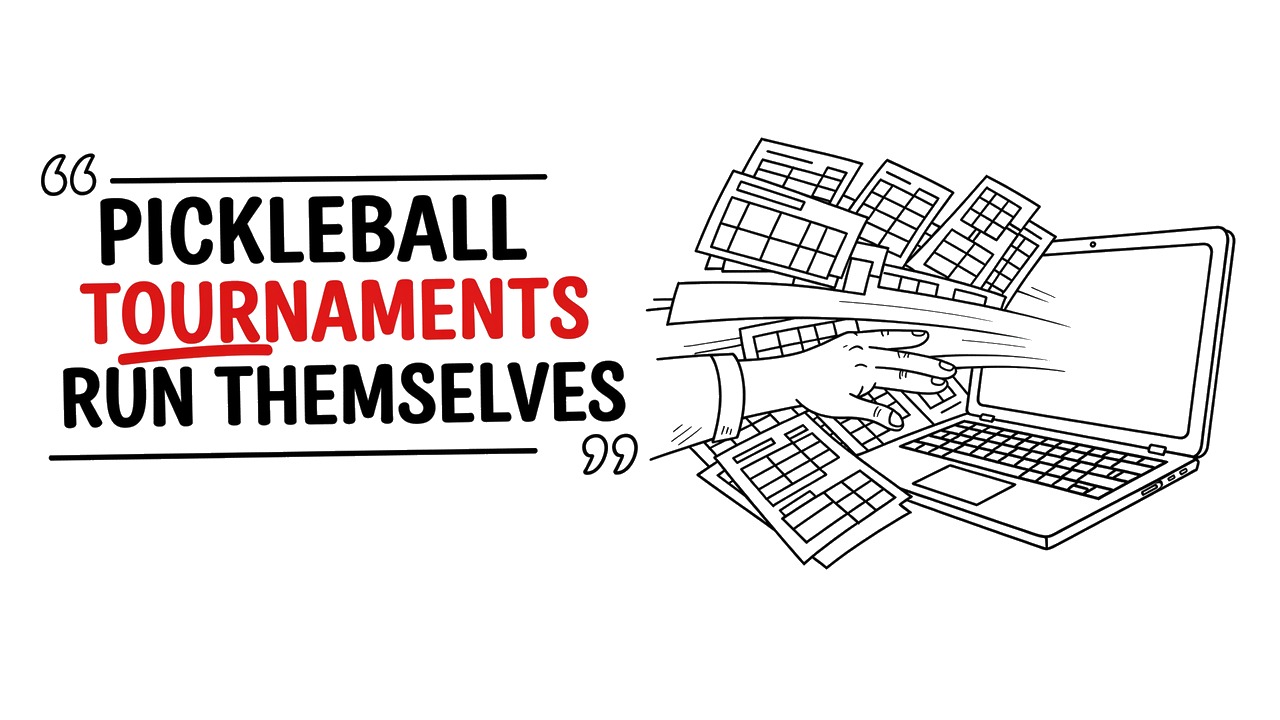
Still running your pickleball tournament with spreadsheets, paper brackets, and group chat chaos? There's a smarter way. This modern tournament management platform brings everything — registrations, brackets, courts, scores, and schedules — into one clean, simple dashboard. Set up your entire tournament in minutes, watch registrations flow in automatically, and let the system generate brackets and assign courts without lifting a finger. Live score updates keep every round moving forward in real time, whether you're at your desk or standing courtside. Less time managing the chaos. More time running the game. Create. Organize. Play.
 1:04
1:0410 Prompt Engineering Tricks That Make AI Actually Useful
Most people treat AI like a vending machine — random input, random output. But the way you phrase your prompts changes everything. From simple zero-shot requests to few-shot examples that force the AI to match your exact format, the basics alone will level up your results fast. The real power kicks in with techniques like chain-of-thought (making AI reason step by step), role prompting (giving it an expert identity), and reflexion (telling it to catch its own mistakes). These aren't hacks — they're structured methods that consistently produce sharper, more reliable answers. Top it all off with meta-prompting, where you ask the AI to help you build a better prompt from scratch. The model hasn't changed. Your approach has — and that's the whole game.
 0:57
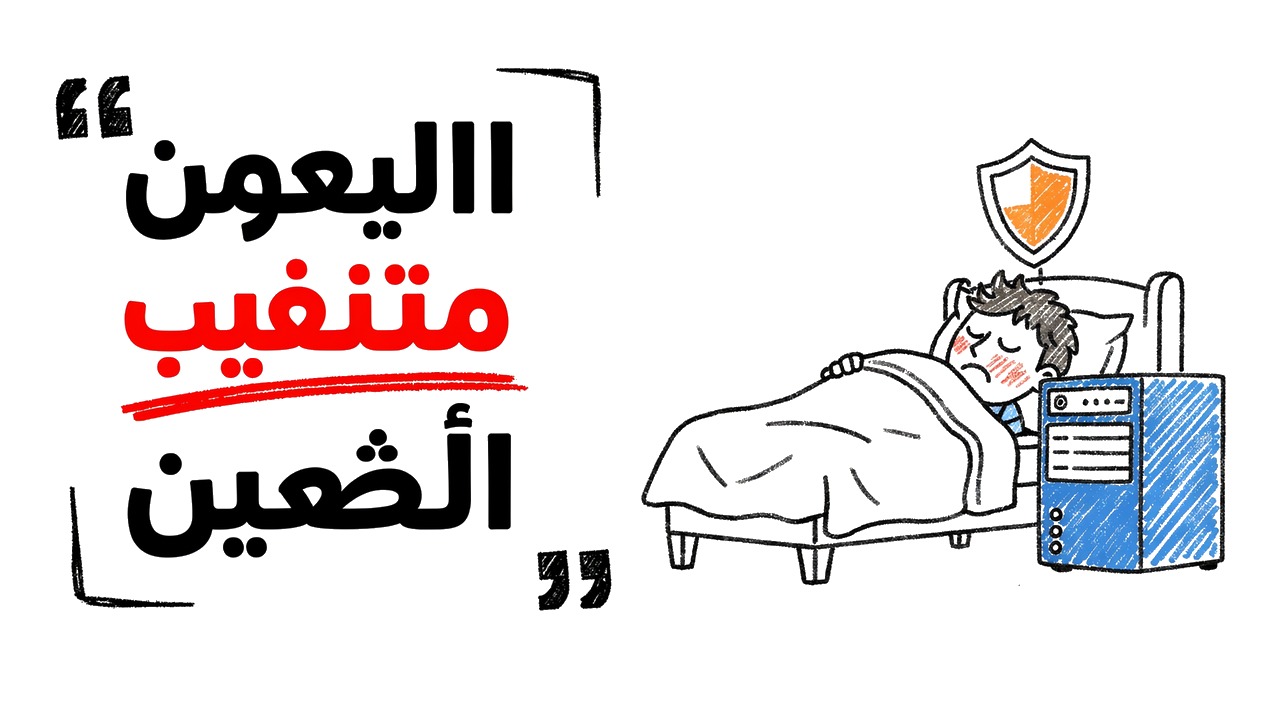
0:57السيرفر وقع الساعة 3 الفجر... ومحدش صاحي!
كل دقيقة توقف في السيرفر تعني خسارة حقيقية في العملاء والأموال، خاصة لو عندك متجر إلكتروني أو مواقع شغالة على مدار الساعة. المشكلة مش بس إنها بتحصل، المشكلة إنها بتحصل وأنت نايم. ويبكس بتراقب سيرفرك على مدار الساعة طول أيام الأسبوع، وبتكتشف المشاكل قبل ما تتحول لكارثة. من أمان وحماية ونسخ احتياطية لتحسين الأداء وحل مشاكل ووردبريس وووكومرس وكل طبقات السيرفر. مناسب للوكالات والمتاجر والشركات اللي عندها خادم خاص أو مخصص. ابعت بيانات سيرفرك دلوقتي وهنحدد لك خطة الإدارة المناسبة قبل ما المشكلة الجاية تحصل.
 1:04
1:04He Earned a Google Cybersecurity Certificate — No Campus, No Debt, Just Results
Lokendra Kumar just made a real move toward a cybersecurity career — completely online. He completed Google's Foundations of Cybersecurity course through Coursera, earning a verified certificate issued on September 1, 2026, and signed by Google's Global Director of Career Certificates. No university. No classroom. No years of tuition debt. Just a laptop, focus, and a course backed by one of the biggest tech companies on the planet. The certificate is identity-verified and publicly checkable at coursera.org/verify/W2AGI1KDH3HU. Google Career Certificates are increasingly recognized by employers as real, skills-based proof of job readiness — and Lokendra now has one. One course, one certificate, one step closer to a career in cybersecurity.
 0:57
0:57Your Tires Are the Only Thing Between You and the Road — Choose Wisely
Every safe journey starts from the ground up — literally. At V.S. Varahi Tyres in Tirunelveli, Tamil Nadu, premium multi-brand tires are handpicked for quality, durability, and performance you can actually feel before you hit the road. From deep-tread motorcycle tires to car tires built for Indian road conditions, their expert technicians handle every fitting with precision and care. No shortcuts. No compromises. Just clean, professional service under one roof. Whether you ride or drive, this is the one stop in Tirunelveli where trusted brands meet reliable service. Walk in today — your journey deserves nothing less than the best beneath your wheels.
 0:57
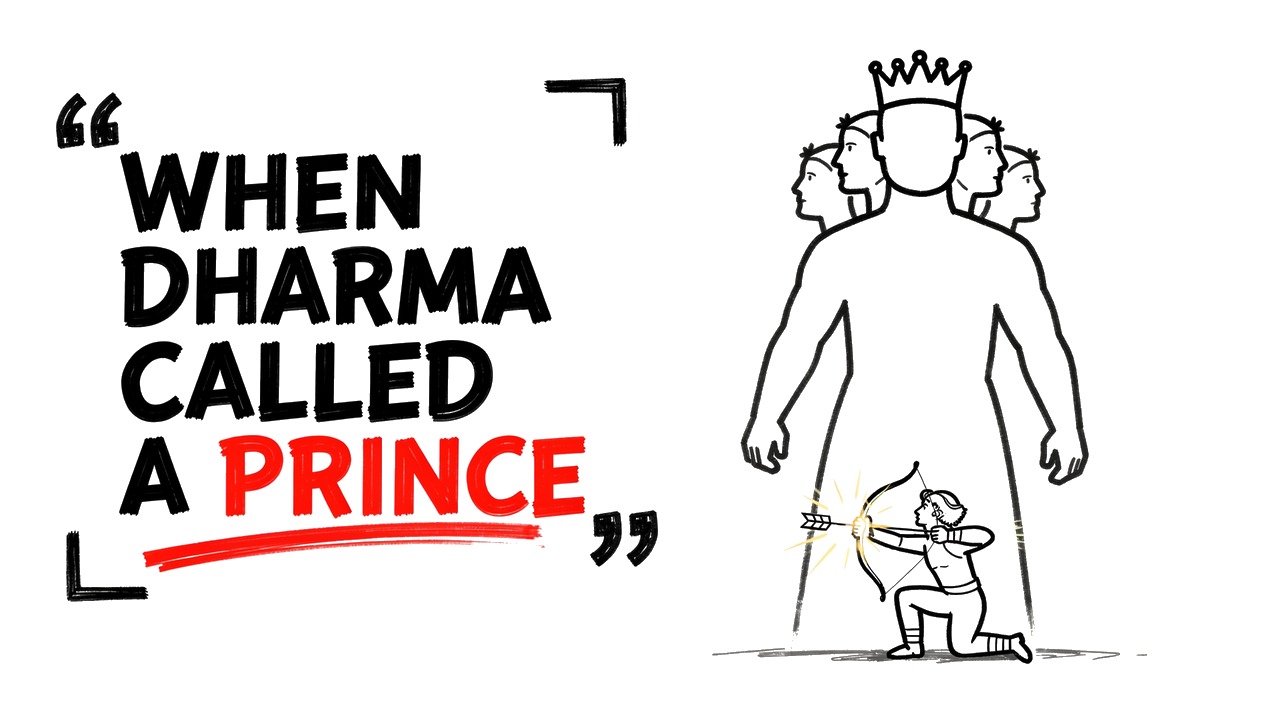
0:57What If The Ramayana Was A Hollywood-Scale Epic Film? 🏹🔥
Imagine the Ramayana told with the cinematic power of a blockbuster Hollywood epic — sweeping aerial shots of ancient Ayodhya, photorealistic characters, massive battle sequences, and an orchestral score blending traditional Indian instruments with thunderous cinematic bass. This 2-minute concept trailer captures every iconic moment: Rama breaking the divine bow of Shiva, the devastating exile, Sita's abduction by the ten-headed Ravana, and Hanuman's legendary leap across the ocean. From the golden temples of Ayodhya to the burning fortress of Lanka, every frame is designed to honor the dignity, emotion, and spiritual depth of one of history's greatest stories. No cartoons. No shortcuts. Just pure cinematic mythology — the way it deserves to be seen. This is not a retelling. This is a vision. Dharma. Sacrifice. Destiny. When Dharma calls… even gods and kings must rise.
 1:04
1:04你不是在用AI,你只是在开盲盒
你以为塞进去文件、堆上插件,AI就会自动产出完美结果?错了。计算机科学有一条铁律:垃圾进,垃圾出。提示词越模糊,AI给你的答案就越混乱,这不是AI的问题,是你的问题。 心理学上有个概念叫"自动化偏见"——人们倾向于过度信任系统,却放弃了自己的主动思考。把AI神化,把工具魔法化,结果只会让你越用越失望,越用越觉得"AI不过如此"。 想要AI真正为你所用,先学会想清楚你要什么。指令越具体,意图越明确,结果才越接近你的预期。驾驭AI的关键,从来都在你脑子里,不在工具里。
 1:02
1:02This AI Reads Every News Story So Your Team Doesn't Have To
Every minute, thousands of news stories flood the wire — and most of it is noise. IAnews, built by IBS Technology, is an AI-powered news server that automatically pulls stories from top sources like Reuters, AFP, and Europa Press every few minutes, then classifies, tags, and sentiment-scores each one by sector. The result? A live, color-coded news feed — green, grey, or red — delivered straight to your platform via API. Filter by sector, language, date, or tag, and get full story text with sources and sentiment data included. Energy, banking, health, tech, retail — all covered, all the time. It runs 24/7, self-corrects, and never misses a beat. If your team needs clean, verified, sector-specific intelligence in real time, IAnews is the connection you've been waiting for.
 1:02
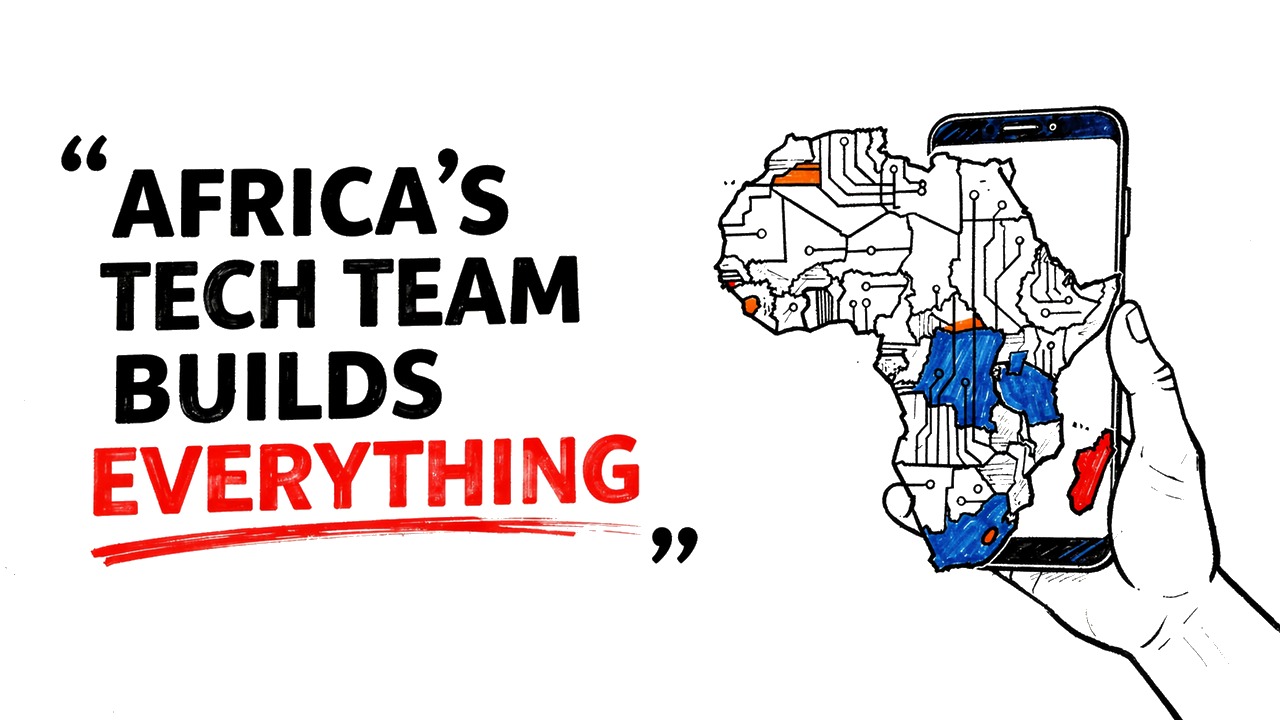
1:02This African Tech Company Does It ALL — Apps, AI, Websites & More 🚀
Simpson Technologies is on a mission to build Africa's digital future — one smart solution at a time. From custom mobile apps built with Flutter and React Native to modern, responsive websites powered by WordPress and React, they bring your ideas to life with speed and precision. But they don't stop there. Simpson Technologies also handles computer setup and servicing, AI and automation integration using Python and OpenAI, data visualization with Power BI and Tableau, and even professional business and academic research — all under one roof. Whether you're a startup, a growing business, or an individual with a big idea, Simpson Technologies is your all-in-one digital partner. Reach them on WhatsApp at +256 778 395 060 or email simpsontechnologies1@gmail.com. Reliable. Professional. Ready to build your future.
 1:00
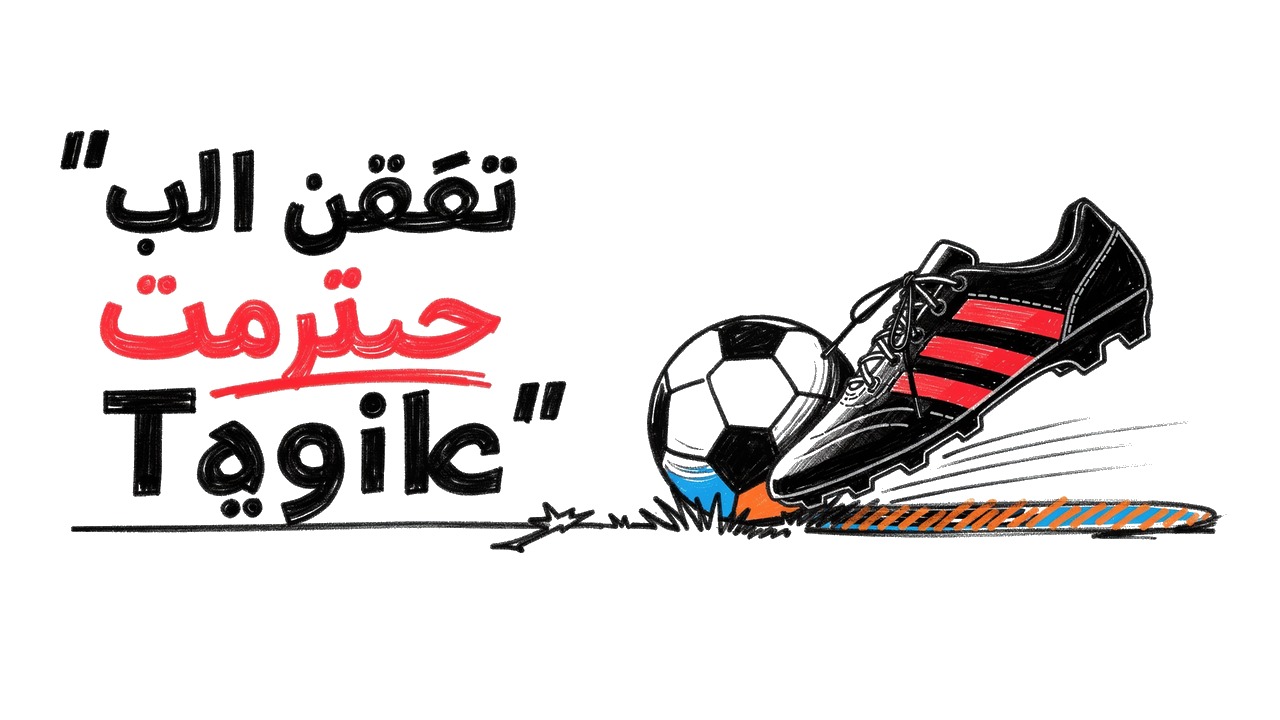
1:00كل ضربة تاريخ — 8 ثوانٍ تغيّر كل شيء 🔥⚽
ثماني ثوانٍ كافية لتشعر بكل شيء. الكاميرا تنزلق عند مستوى الكاحل، خلف الحذاء الأسود بخطوطه الحمراء، بينما يشق اللاعب العشب تحت شمس آخر النهار في مشهد سينمائي لا تنساه. لحظة الغرس المفاجئ بمئة وعشرين إطاراً في الثانية، قطع العشب تتطاير في الهواء، والحذاء لا يتزعزع. ثم الضربة — موجة اهتزاز تعبر الكرة، والكاميرا تدور مئة وثمانين درجة حول الحذاء وانعكاسات الذهب تجري على جلده اللامع. الرقم 6 يضيء على شاشة سوداء. رسالة واحدة فقط: اصنع لحظتك.
 1:01
1:01Why Every Zoom Meeting Needs a Whiteboard (Most People Skip This)
If your meetings keep ending with confusion about what was actually decided, Zoom Whiteboard might be the fix you didn't know you needed. It's a live, infinite digital canvas built directly inside Zoom — no extra apps, no tab-switching — where everyone can draw, drop sticky notes, and move ideas around at the same time. The coolest part? People absorb visually presented information up to 60% better than audio alone. That means a shared whiteboard doesn't just make meetings feel more organized — it literally helps your team think and retain decisions better. Built-in templates like mind maps and flowcharts give you a head start, and when the call ends, the board saves automatically. Your meeting stops being a forgettable conversation and becomes a visible, shareable object everyone can actually build on.
 0:58
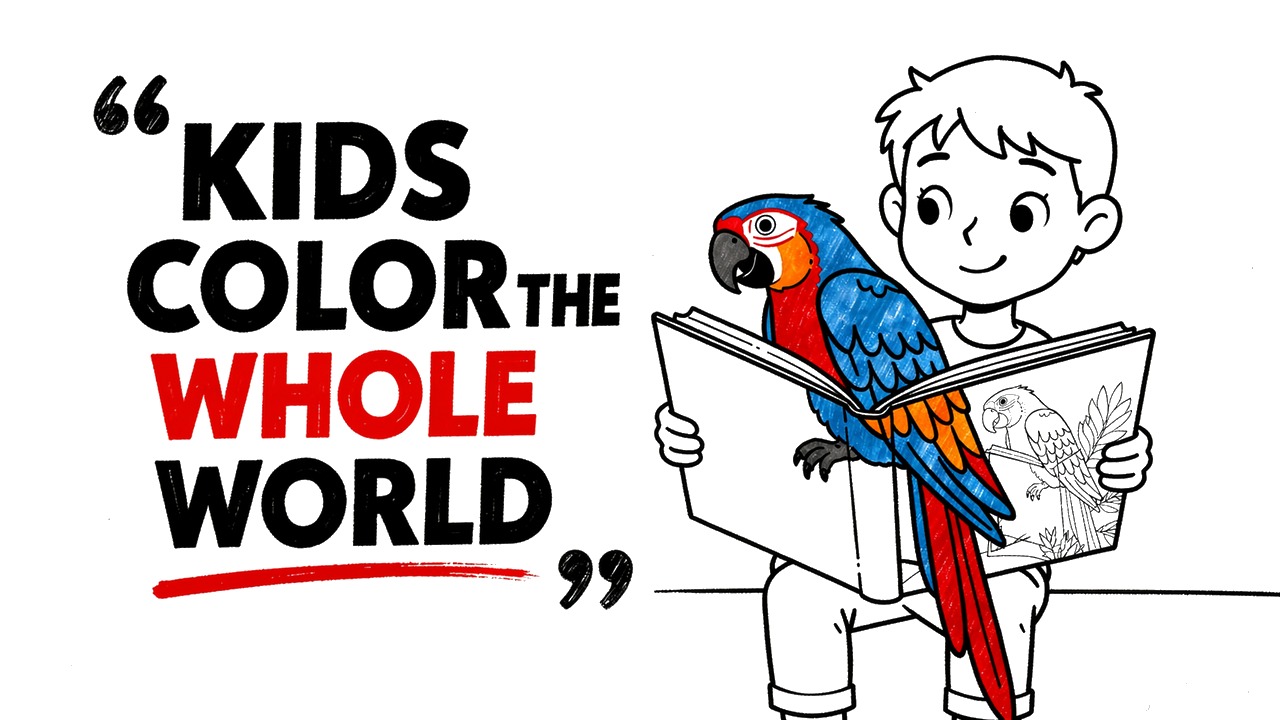
0:58🖍️ 50+ Pages of Pure Imagination — The Coloring Book Kids Can't Put Down!
From roaring lions to silly jokers juggling stars, this coloring book is packed with 50–60 bold, beautiful pages designed for kids ages 4–8. Birds, animals, flowers, the earth, the sky — every wonder a child could dream of is right here, ready to be brought to life one crayon at a time. Whether they reach for colored pencils, washable markers, or watercolors, every page is a brand-new adventure with zero wrong answers. Funny characters that make kids giggle, blooming gardens, rolling clouds — it's creativity without limits and imagination without rules. Give a child this book and watch their whole world burst into color. 🌈 Perfect as a gift or a rainy-day activity — 50 to 60 pages of pure, joyful fun. Grab your copy today!