Gallery
Public whiteboard explainers from the Ankon community. 260 videos.
 2:07
2:07PDC Apps: encuentra y publica tus herramientas en segundos
¿Cuántas veces has perdido el enlace de una herramienta importante del equipo? PDC Apps es el catálogo compartido del Grupo PDC: no mueve tus herramientas de su plataforma original, solo registra dónde están y te lleva directo a ellas. En este tutorial aprenderás a buscar y abrir herramientas existentes, a construir un Tablero de equipo DEMO con tareas de Asana, documentos de SharePoint y una tabla de solicitudes, y a conectar ese artifact a los orígenes reales de datos respetando los permisos de cada persona. El recorrido cubre el Nivel 1.5 completo: crear, conectar, colaborar y publicar una ficha en PDC Apps desde Claude. Las opciones avanzadas como MCP, CLI y despliegues en Azure se mencionan brevemente al final para quien los necesite. Todos los datos mostrados son ficticios (DEMO). No se modifican entornos de producción ni se exponen credenciales reales.
 0:55
0:55जब ड्रोन ने देखा भारत का असली चेहरा — सूर्यास्त का वो पल जो दिल थाम लेता है 🌅
जब सूरज ढलता है, तो भारत का गाँव सोने में बदल जाता है। हरे-भरे खेत, धीमे बहती नदी, और मिट्टी के घरों से उठता धुआँ — यह सिर्फ एक दृश्य नहीं, यह एक अनुभव है जो आत्मा को छू जाता है। ड्रोन की नज़र से देखिए वो भारत, जो शहरों की भीड़ से दूर, चुपचाप अपनी लय में जीता है। गोल्डन ऑवर की सुनहरी रोशनी में नहाए खेत और चूल्हे की वो पुरानी खुशबू — यही है असली हिंदुस्तान। छह लाख से भी ज़्यादा गाँवों में बसी इस सभ्यता की एक झलक, जो हर सूर्यास्त के साथ फिर से जन्म लेती है। इस वीडियो को देखकर आपका दिल ज़रूर कहेगा — "यही तो है मेरा भारत।"
 0:57
0:57Por Que Seu Código Java Vira uma Bagunça (e Como Evitar)
Todo projeto começa organizado — e vai desmoronando conforme cresce. A diferença entre um código sustentável e um pesadelo de manutenção está em alguns princípios que todo dev precisa dominar. Abstração, encapsulamento, coesão e acoplamento baixo são as bases. Com eles, cada classe tem um propósito claro, os dados ficam protegidos e as dependências não se tornam uma teia impossível de desatar. Pensa numa cozinha bem organizada: quando o cliente muda tudo na sexta à tarde, você altera uma classe, não quebra nada e vai embora no horário. É isso que boas práticas fazem pelo seu código.
 1:03
1:03Why Earning More Won't Make You Richer (Fix This First)
Most people think they're broke because they don't earn enough — but the real problem is invisible money leaks. Lifestyle inflation silently eats every raise you get, and small recurring expenses like subscriptions and daily purchases drain your budget more than any single big purchase ever could. The biggest mistake? Saving whatever's left after spending — which is usually nothing. Flipping that habit by automating savings first changes everything. Add high-interest credit card debt to the mix, and you could be paying hundreds of extra dollars every year without realizing it. The hard truth: the habits keeping you broke now will follow you to every income level. A bigger paycheck won't fix a broken money system — but the right habits will.
 6:01
6:01House Hacking vs Cash Damming vs Smith Manoeuvre: Which First?
Three strategies keep coming up for Canadian real estate investors — house hacking, cash damming, and the Smith Manoeuvre. This video breaks down what each one actually requires before you borrow a dollar, starting with the single Canadian tax rule that underlies all three: interest deductibility under Income Tax Folio S3-F6-C1. For most first-time investors, house hacking gets the closest look here — living in the property and renting a legal unit — along with what municipalities across Ontario actually require for a second unit to be legal. Cash damming is explained with a plain example showing how it shifts the character of debt, and why it only works if you already have rental or business income coming in. This is education, not tax advice. The video flags specific points where you need an accountant before you act, not after.
 0:59
0:59إشارتك في انتظاري! 8 مسائل DSP في شريحة واحدة — هل أنت جاهز؟
عندك الإشارة x[n] = [1, 2, 4, −1, 3, 2] وعايز تحلّها؟ في هذا الفيديو بنواجه 8 مسائل تحويل دفعة واحدة: إزاحة زمنية، ضغط وتمديد، عكس زمني، ضرب في دالة الدلتا والمتدرجة، وحساب المركّبة الزوجية والفردية — كل ده في شريحة رقم 11 من 17 فقط! حل مسائل معالجة الإشارات من غير ما تشوف السؤال زي ما تطلب من الدكتور علاج قبل ما يشوف الأشعة. ارفع صورة سؤالك دلوقتي، وهشرح كل مفهوم من الصفر، وأرسم المتتاليات والجداول، وأتحقق من كل إجابة بالتفصيل. بمجرد ما ترفع الصورة، هتلاقي شرح كامل على لوح أبيض بالعربية المصرية، مع ورقة مراجعة ومسائل تدريبية تخليك جاهز للامتحان 100%.
 0:58
0:58Is Your Business Invisible Online? Here's How to Fix That Fast
If your competitors are showing up online and you're not, you're already losing customers — and you might not even know it. This short film for GrowthPilotHQ shows exactly what's at stake when small businesses skip building a strong digital presence. GrowthPilotHQ helps small businesses launch modern, responsive websites, improve their online visibility, generate real leads, and build smarter digital strategies — all designed to work long after launch day. Your next customer could be searching for you right now. Don't let a blank page or a weak online presence send them straight to your competition. Message GrowthPilotHQ today and let's grow.
 1:50
1:50Can AI Really Replace Humans? The Truth Explained
AI can write, create images, analyze data, and even help detect diseases. But does that mean it can replace humans entirely? This video explores what AI is already capable of and where it still falls short compared to human thinking and emotion. From factory robots to hospital diagnostics, some jobs are already changing or disappearing. But humans bring empathy, personal experience, and judgment that AI struggles to replicate — like a teacher noticing a discouraged student or a doctor offering genuine compassion. The bigger picture may not be humans versus AI, but humans working alongside it. The real question is whether we can shape how this technology develops before it reshapes us in ways we never anticipated.
 1:37
1:37Why Airplane Windows Are Round (It's a Safety Reason)
Airplane windows have rounded corners for a reason that goes beyond looks. When aircraft fly at 35,000 feet, the pressure difference between the cabin and outside air puts massive stress on the fuselage. Sharp corners concentrate that stress, making cracks far more likely to form and spread. In the 1950s, the de Havilland Comet suffered several fatal crashes linked to metal fatigue around its square windows. That disaster pushed engineers to redesign windows with curved edges, which spread stress evenly across the surrounding structure instead of focusing it at weak points. This video explains the science behind stress distribution, the historical accidents that changed aviation design, and why that small curved shape is one of the most important safety features on a modern aircraft.
 0:57
0:57One Tiny Letter That Changes Everything: "Used To" vs "Be Used To"
Three phrases, almost identical words — completely different meanings. "Used to" describes a past habit that's finished and gone. "Be used to" means something feels normal and familiar. And "was going to" captures a plan that never happened. The secret? One tiny letter D — and knowing when to keep it or drop it. Master these three structures and you'll instantly sound more natural in English. Whether you're talking about old habits, familiar feelings, or broken plans, the right phrase makes all the difference. Bonus: learn when "would" can replace "used to" — and when it absolutely cannot.
 1:03
1:03Why Smart Real Estate Brokers Are Ditching WhatsApp for This One Tool
If you're a real estate broker still juggling listings across multiple apps and chasing dead-end leads, there's a smarter way to work. LocaNest.in is a free, all-in-one platform built specifically for brokers — giving you a professional profile, live listings, and serious buyer-seller connections the moment you sign up. No website to build. No tech headaches. Just a powerful local real estate hub that works for you 24/7, so you can stop grinding harder and start closing smarter. Think of it as your personal assistant, listings board, and lead generator — all in one place. Top brokers in your area are already claiming their spot on LocaNest.in. Visit the site, grab your free profile, and take control of your local market before your competition does.
 2:08
2:08¿Por qué un residuo sucio arruina todo el reciclaje?
Separar los residuos parece sencillo, pero hay un paso que casi nadie considera antes de colocar un material en el contenedor: la preparación previa. Un residuo húmedo, sucio o mezclado puede contaminar un lote entero y convertir el esfuerzo colectivo en desperdicio. En el CFIA existen cinco condiciones concretas que determinan si un material puede ser valorizado o si termina como desecho sin segunda oportunidad. Conocerlas cambia completamente la forma en que uno entiende el reciclaje. Este video explica qué materiales son aceptados, cuáles no deben ingresar al ciclo de reciclaje y por qué reconocer esa diferencia es tan importante como el acto mismo de separar. También se detalla cómo funciona el proceso de campaña: cuándo sacar los residuos, dónde entregarlos y qué consultar antes de cada recolección. Reciclar bien no es una acción aislada. Es una práctica cotidiana que, cuando se hace correctamente, convierte cada residuo separado en un paso real hacia una institución más sostenible.
 1:54
1:54Why "Quick Money" Is a Math Problem, Not a Hustle
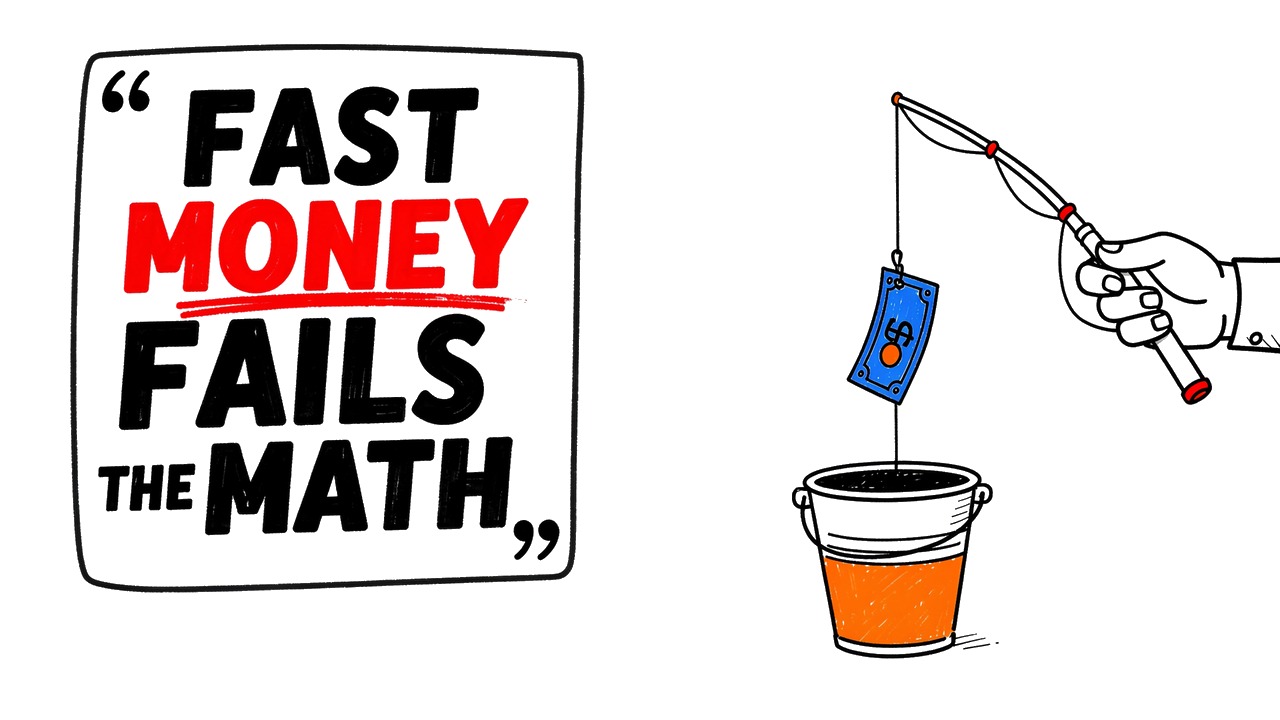
At 2 a.m., a phone ad promises $500 with no experience needed. It's a familiar moment — and a dangerous one. Not because the ad is obviously fake, but because the feeling it triggers is real, and that feeling is exactly what makes the math go wrong. This video breaks down the financial mechanics behind get-rich-quick schemes — day trading, lotteries, multi-level marketing — and explains why the odds are structurally stacked against the people chasing them. The numbers aren't opinions; they come from studies on retail trading outcomes and basic probability theory. There's also a psychological layer most financial advice skips: survivorship bias. The winners of risky bets are loud and visible. The far larger group who lost everything using the same strategy simply disappears from the conversation. That asymmetry shapes how most people misread risk. The video also covers what actually builds wealth over time — compound interest, skill monetization, and the counterintuitive idea that slowing down is often the highest-return move available to most people. No miracle strategies here. Just the math, the bias, and a clearer picture of why urgency is the most expensive feeling you can act on.
 0:57
0:57The Goddess Who Was There Before the Gods — Hekate's Untold Story
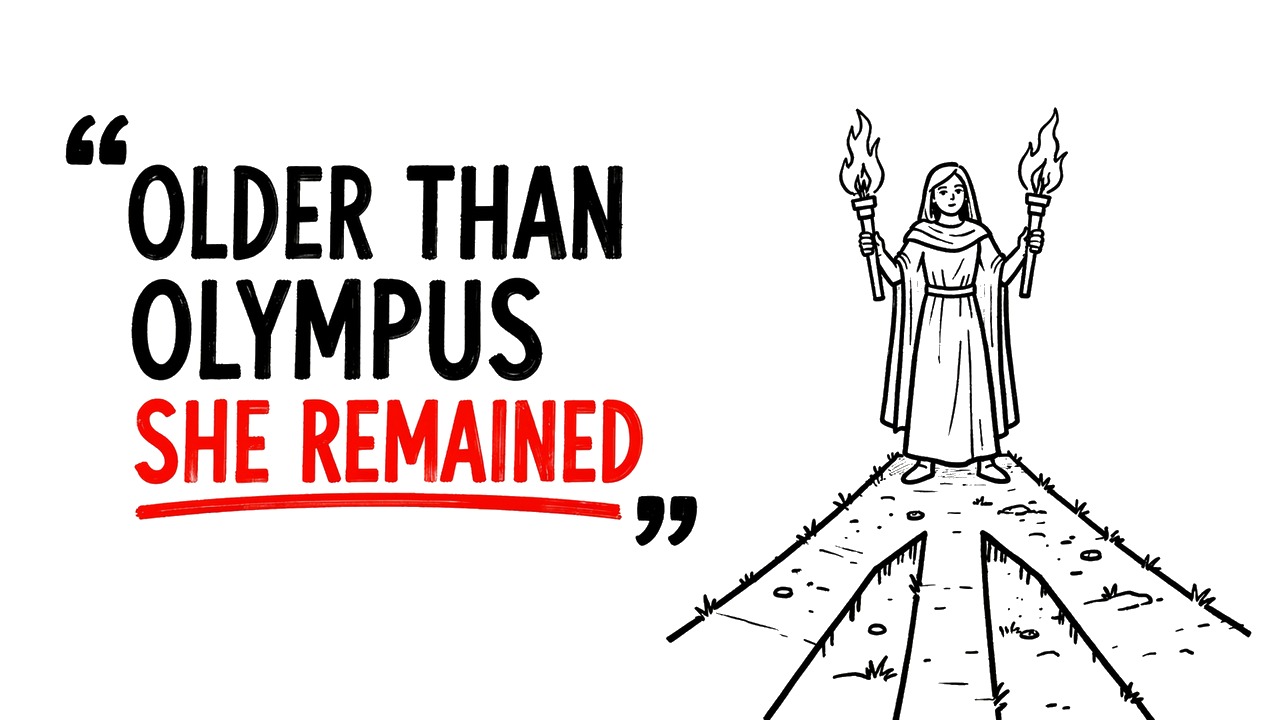
Before Olympus had its throne, Hekate stood at the crossroads. Titan-born and untouchable, she held dominion over earth, sea, and sky — and even Zeus dared not diminish her. She is the goddess of thresholds, torchlight, and every door between worlds. When Persephone vanished into the underworld, it was Hekate who heard the scream — and Hekate who raised her torches to guide a grieving Demeter through the dark. Without her, the world would have stayed frozen in eternal winter. She is the hinge on which the story turns. This is the beginning of a trilogy. Hekate. Persephone. Demeter. Three goddesses, three roads, one flame becoming two.
 0:59
0:59Bigfoot Just Got Home From School and His Feet Are DONE 🦶😩
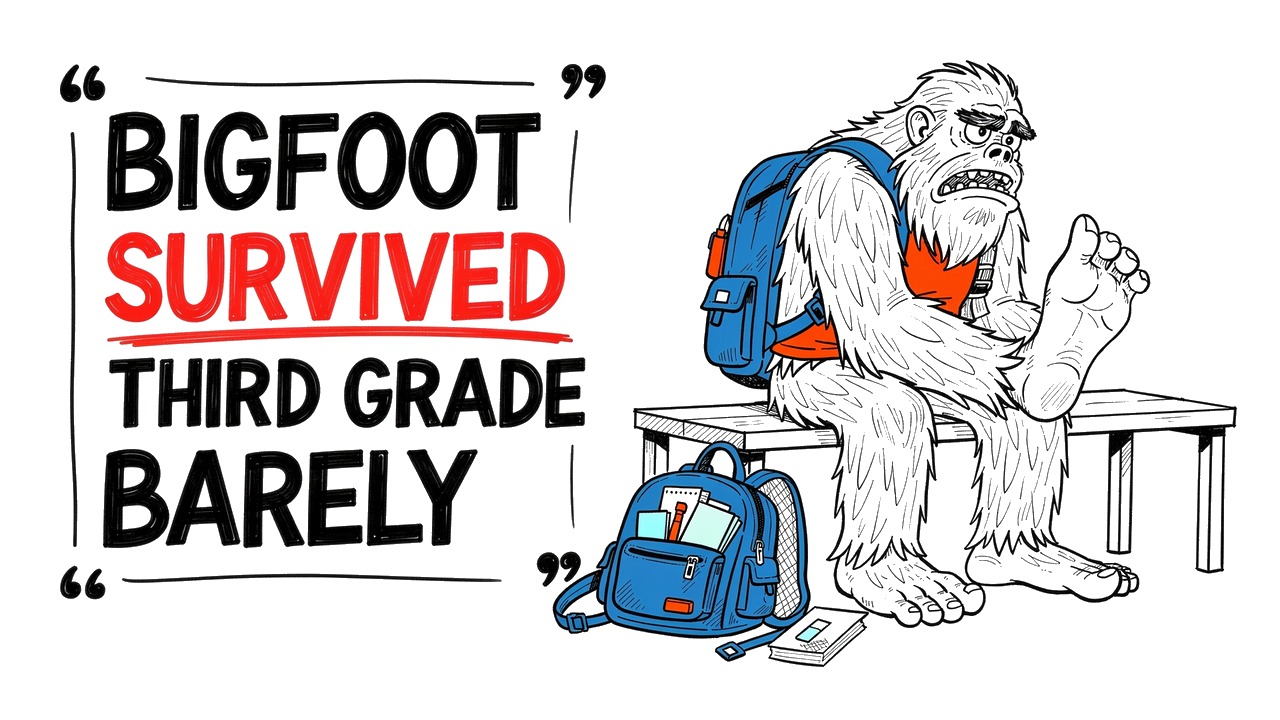
Nobody warned Bigfoot that third grade would be this hard on his feet. After a long day of school, our favorite seven-foot-tall, shaggy woodland student trudges into his cozy cabin, drops his battered backpack with a legendary thud, and collapses onto the bench like a creature who has truly had enough. The golden evening light catches every exhausted wiggle of his enormous toes as he grabs his foot with both massive hands and rubs it with the dramatic suffering only Bigfoot can deliver. One slow camera push-in later, and those tired eyes find the lens — and he says exactly what we're all thinking. Warm, funny, and totally relatable — because honestly? Some days just wreck your feet, whether you're a kid, a parent, or a seven-foot cryptid with a busted backpack zipper.