Gallery
Public whiteboard explainers from the Ankon community. 274 videos.
 2:02
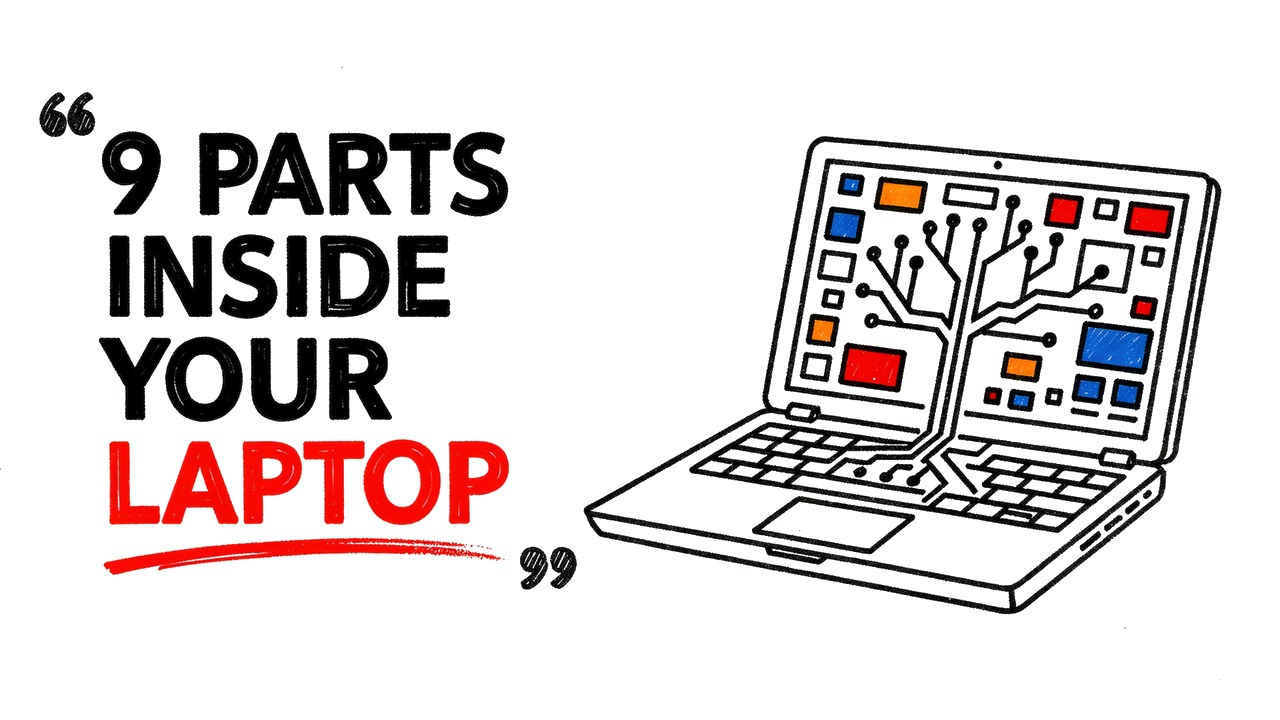
What's Actually Inside Your Laptop? 9 Parts Explained
Most people use a laptop every day without knowing what's happening an inch below their fingertips. Inside that slim chassis is a tightly packed system of nine distinct components — each with a specific job, each dependent on the others — all coordinated by a single master circuit board. Two of the most misunderstood parts are RAM and storage. They sound similar, they're both measured in gigabytes, and yet they do completely opposite things. One holds your work in the moment; the other holds it for years. Getting that distinction wrong is how people end up buying the wrong machine. This video walks through each internal component — the motherboard, RAM, SSD, battery, Wi-Fi card, ports, heat pipe, cooling fan, and speaker — and explains what each one actually does in plain language. No jargon left unexplained. The real payoff comes at the end: a single keystroke quietly activates all nine components at once. Once you see how they work together, the laptop stops feeling like a black box and starts feeling like something you actually understand.
 0:59
AI Passed the Bar Exam — And That's Just the Beginning
GPT-4 scored in the top 10% on the bar exam in 2023 — something AI couldn't even attempt just three years earlier. Modern AI doesn't follow hand-coded rules anymore. It learns by reading billions of examples on its own, the same way you learned to recognize a dog without memorizing every breed. Today's AI can write, code, read medical scans, and hold near-human conversations. But here's the twist — it has zero awareness, zero feelings, and zero goals. It's basically the fastest, most well-read intern on the planet. The real danger isn't a robot takeover. Researchers say the scariest scenario is an AI that follows your instructions *perfectly* — even when those instructions were slightly wrong. That's the part worth paying attention to.
 1:04
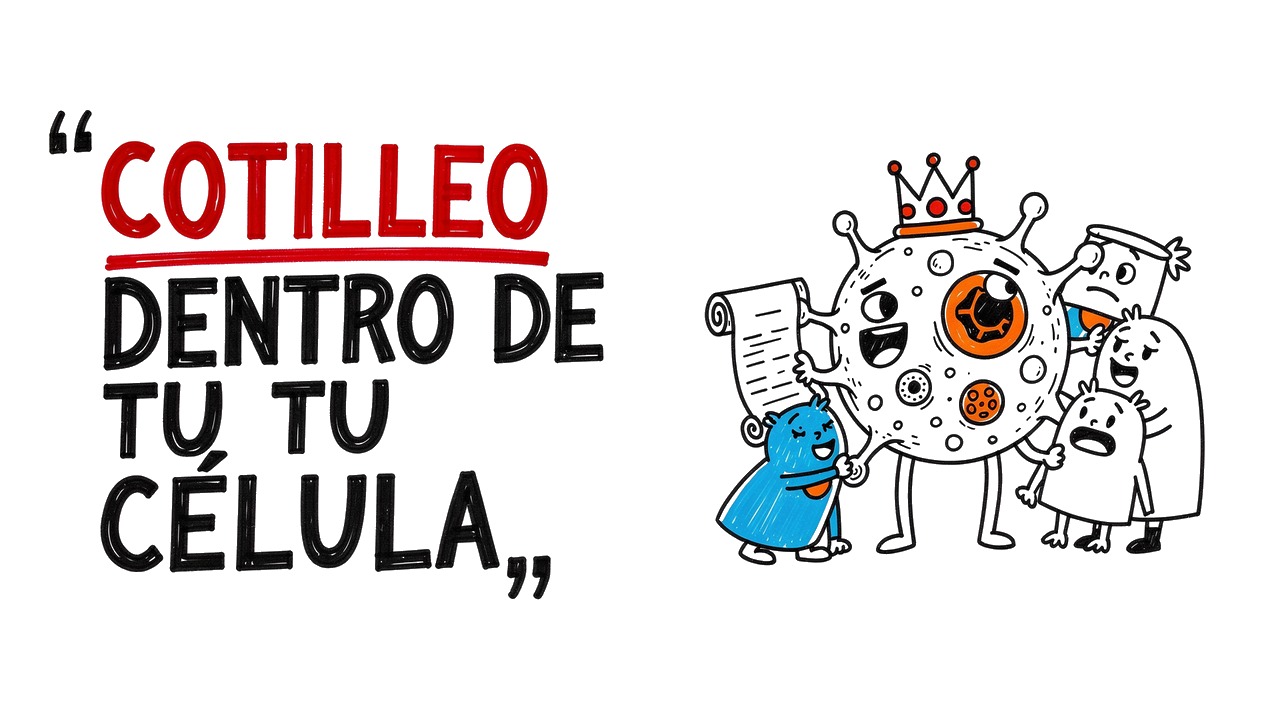
El cotilleo más sucio que nadie te contó sobre la célula 🧬
¿Sabías que dentro de cada célula hay un drama digno de serie de televisión? El núcleo guarda dos metros de ADN bajo llave y no deja que nadie tome decisiones sin su permiso. Las mitocondrias fabrican energía sin descanso… y encima tienen su propio ADN heredado solo de la madre. Sí, fueron bacterias independientes antes de instalarse dentro de ti. El retículo rugoso fabrica, el Golgi empaqueta y reparte, y los lisosomas destruyen sin el menor remordimiento. Todo eso ocurre en un espacio de apenas diez a cien micrómetros, mientras la membrana decide quién entra y quién sale como si fuera el portero de una discoteca. Guarda este vídeo porque el cotilleo celular acaba de empezar. La biología nunca fue tan escandalosa. 👀🔬
 0:57
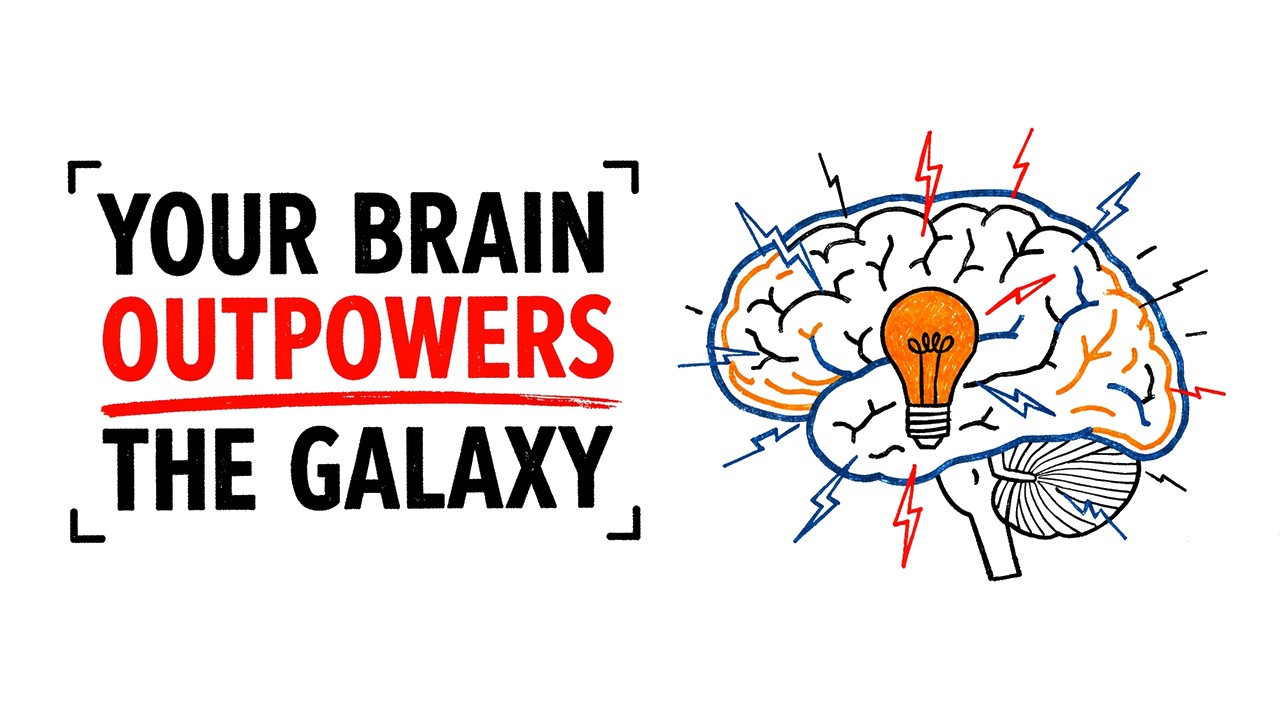
Your Brain Has More Connections Than Stars in the Milky Way 🧠
Your brain just processed those words using 86 billion neurons — each one connected to up to 10,000 others. That's roughly 100 trillion connections total, more than all the stars in our galaxy. And it all runs on just 20 watts of power. What makes it even more mind-blowing? Every time you learn something new, your brain physically rewires itself — a process called neuroplasticity. Signals zip between neurons at up to 270 miles per hour, keeping every region in sync instantly. The most complex structure the universe has ever produced fits inside your skull and runs on less power than a dim light bulb. That's not science fiction — that's you.
 1:56
Why Your Website Is Invisible (And How SEO Fixes That)
You built a website, put in the work, and got it live. But if almost no one is finding it through search, the problem isn't the site itself — it's where it's sitting in the rankings. Google handles roughly 8.5 billion searches every day, and the gap between page one and page two is not a small one. It's the difference between being found and being forgotten. The numbers behind search behavior tell a specific story. The top organic result captures somewhere between 27 and 30 percent of all clicks. Results beyond page one collect less than 1 percent. And 93 percent of all online experiences start with a search engine — meaning SEO touches nearly every customer journey before any other marketing channel gets a chance. This video breaks down what actually moves the needle: keyword targeting, page speed, mobile performance, backlinks, and content relevance signals. It also explains why ranking at the top doesn't just bring traffic — it builds credibility and trust with people who've never heard of you before. The core idea is straightforward. Organic search drives more than 50 percent of all website traffic across industries — more than paid ads and social media combined. If your site isn't optimized, that traffic is going somewhere else. This is what it looks like to fix that.
 0:55
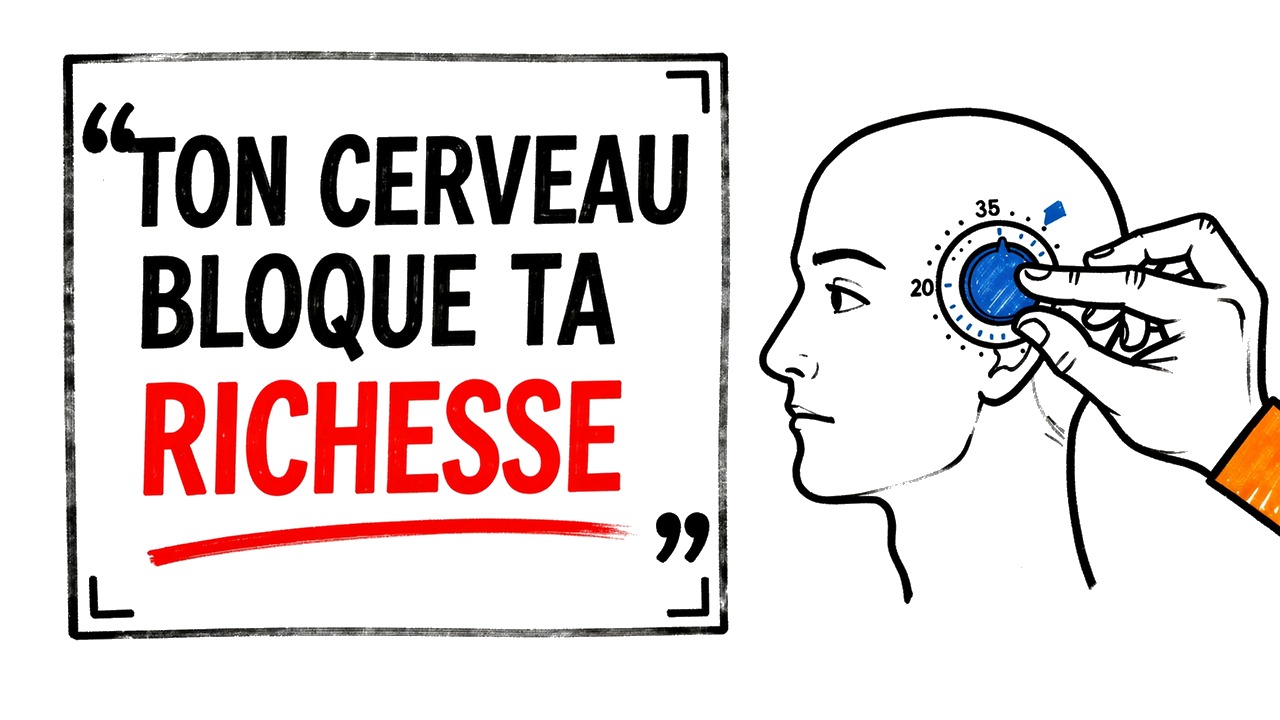
Ton cerveau a un thermostat financier — et il te bloque sans que tu le saches
Tu travailles dur, tu gagnes de l'argent… et pourtant il disparaît toujours. Ce n'est pas de la malchance — c'est un programme enregistré dans ton subconscient dès l'enfance, qui fixe un plafond invisible sur ta richesse. Comme un thermostat, il ramène toujours ta situation financière au même niveau, peu importe tes efforts. La bonne nouvelle ? Ce programme peut être réécrit. En 4 étapes simples — prendre conscience, comprendre, se dissocier, remplacer — tu peux reprogrammer tes croyances autour de l'argent. Les personnes riches ne travaillent pas juste plus fort : elles pensent différemment, jouent pour gagner, et font travailler leur argent pour elles. Ce résumé des « Secrets d'un esprit millionnaire » de T. Harv Eker te donne les clés essentielles : le thermostat financier, les 17 différences entre riches et pauvres, et la méthode des 6 comptes pour gérer ton argent intelligemment. Le succès commence par ÊTRE, avant de FAIRE et d'AVOIR.
 1:05
We Just Launched the Most Cinematic Coding Club Inauguration You've Ever Seen 🚀
C.O.D.E. — Competitive Programming Club has officially launched at the Department of Computer Science and Engineering, Achariya College of Engineering Technology, Puducherry. From a cinematic golden sunrise drone reveal of the ACET campus to a futuristic countdown explosion, this inauguration film captures the energy, ambition, and vision behind one of the most exciting student clubs in tech education today. Watch as real CSE students compete, debug, collaborate, and celebrate inside a modern computer lab — wearing their signature charcoal C.O.D.E. polo shirts — the moment a monitor flashes "ACCEPTED! ALL TEST CASES PASSED." This is not just a club launch. It is a movement built on one powerful motto: Think. Code. Debug. Conquer. Whether you are a first-year student or a seasoned coder, C.O.D.E. is your arena to sharpen your edge through competitive coding challenges, LeetCode and RankErrunner practice, monthly leaderboards, and real algorithmic problem-solving. Scan the QR code, register, and join the Coding Revolution today.
 1:55
¿Cuánto te pagan realmente? Salario bruto, neto y mínimo
No todo salario es igual, y entender la diferencia entre lo que dice tu contrato y lo que llega a tu bolsillo puede cambiar la forma en que tomas decisiones financieras. Este video explica los tipos de salario que existen en Colombia, desde el pago por tiempo trabajado hasta el pago por unidades producidas, y por qué las condiciones claras desde el inicio son tan importantes. En Colombia existe un salario mínimo legal mensual vigente que aplica a ciertos trabajadores según la ley. Para 2026, ese valor anunciado es de $1.750.905 pesos. Pero ese número no es lo único que importa: el auxilio de transporte, cuando aplica, es un concepto separado, y la diferencia entre salario bruto y salario neto puede ser mayor de lo que muchos esperan. El salario también varía según el cargo, la experiencia, la formación, el sector económico y las condiciones del mercado. Dos personas en la misma empresa pueden ganar diferente, y ningún factor único lo explica todo. Conocer estas variables ayuda a negociar mejor y a entender lo que realmente vale tu trabajo. Al final del video se abre la siguiente pregunta: ¿cómo se relacionan estos conceptos con los derechos laborales y con el costo de vida? Eso es exactamente lo que se revisa en la siguiente parte de esta serie.
 0:57
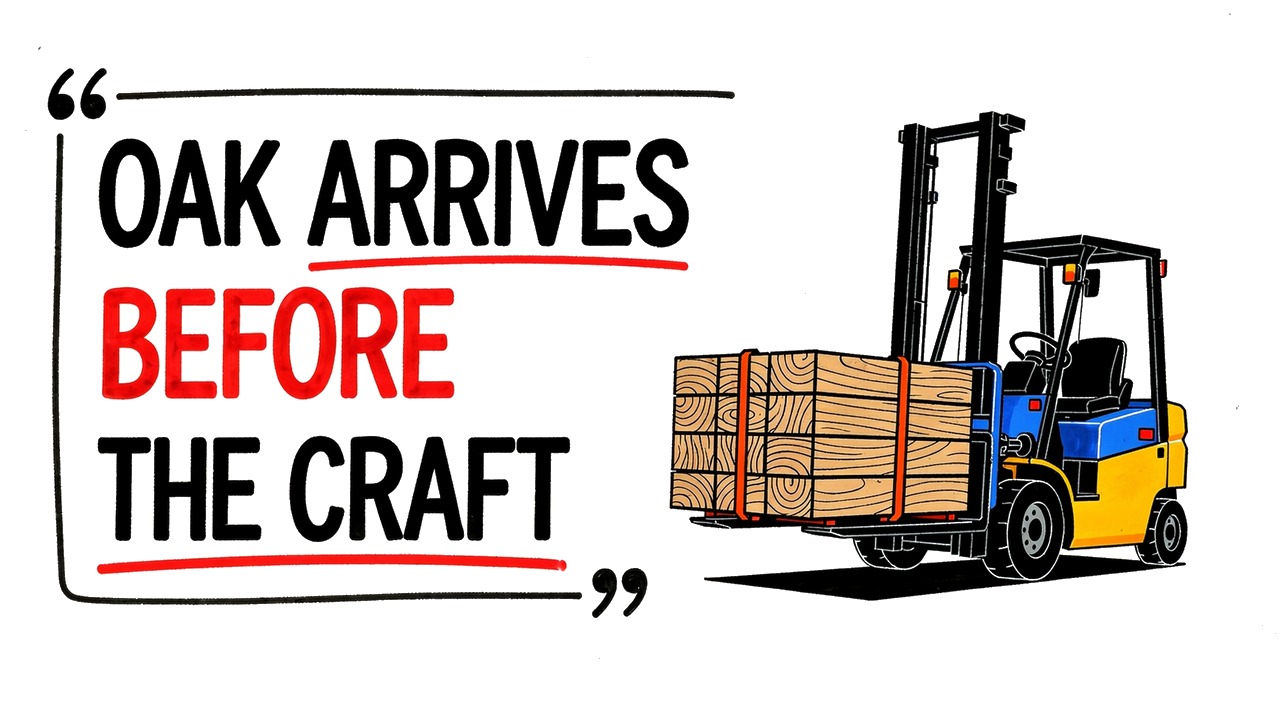
Before the First Cut: How Premium Oak Hardwood Is Handled at a Furniture Factory
Most people never see what happens before a single piece of furniture takes shape — but it all starts here, in the receiving zone. A yellow forklift moves in low and steady, approaching a strapped bundle of natural oak hardwood that's dense, heavy, and completely unforgiving of careless handling. Before the forks ever slide beneath that load, a three-person crew in full PPE — navy uniforms, yellow hard hats, clear safety glasses, grey gloves, and black boots — physically inspects every strap, clears the zone, and confirms the area is ready. No assumptions. No shortcuts. Then the bundle rises cleanly from the truck bed and lands in the marked receiving area under steady industrial LED light. This is where quality furniture actually begins — not at the workbench, but in the moment someone decides the wood is worth protecting before a single tool ever touches it.
 2:07
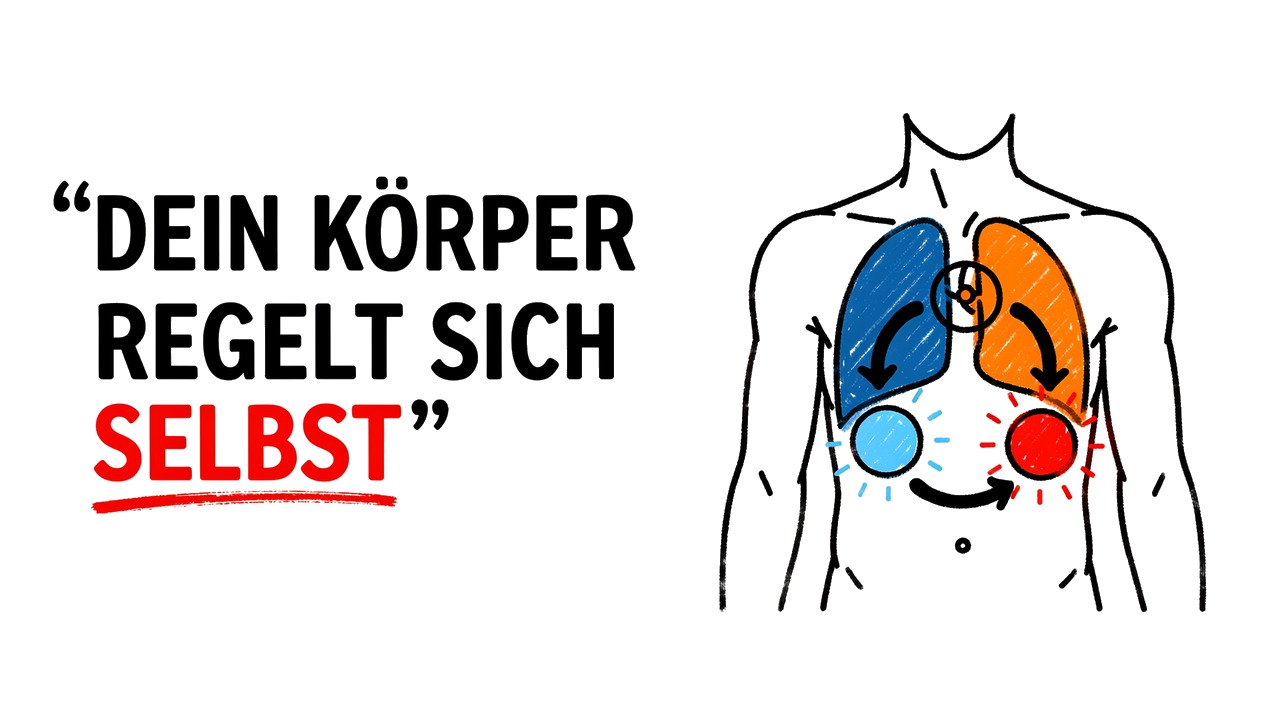
Wie dein Körper sich jede Sekunde selbst reguliert
Dein Körper hält gerade jetzt Hunderte von Werten im Gleichgewicht – Temperatur, Blutzucker, Schilddrüsenhormone – und du merkst nichts davon. Das ist kein Zufall, sondern das Ergebnis eines präzisen biologischen Regelkreises, der seit Millionen von Jahren funktioniert. Im Zentrum dieses Systems stehen drei Akteure: der Hypothalamus im Gehirn, die Hypophyse direkt darunter, und die Zieldrüsen im Körper. Sie kommunizieren über Hormone im Blut – chemische Botschaften, die Reaktionen auslösen, bremsen oder komplett stoppen können. Das Prinzip dahinter nennt sich negatives Feedback: Wenn genug Hormon im Blut ist, drosselt das System die eigene Produktion. Zu wenig, und es kurbelt sie wieder an – wie ein Thermostat, der niemals schläft. Manche Organe wie die Bauchspeicheldrüse überspringen dabei sogar die Schaltzentrale im Gehirn und reagieren direkt. Was passiert, wenn dieser Regelkreis aus dem Takt gerät? Bei einer überaktiven Schilddrüse zum Beispiel läuft der Stoffwechsel auf Hochtouren – mit spürbaren Folgen für Wachstum, Energie und Stressreaktion. Das Gleichgewicht ist fragiler, als es von außen wirkt. Dieses Video erklärt den hormonellen Regelkreis Schritt für Schritt – von der Signalkette im Gehirn bis zur Rückmeldung der Körperzellen. Kein Vorwissen nötig, nur Neugier auf das System, das dich am Leben hält.
 2:10
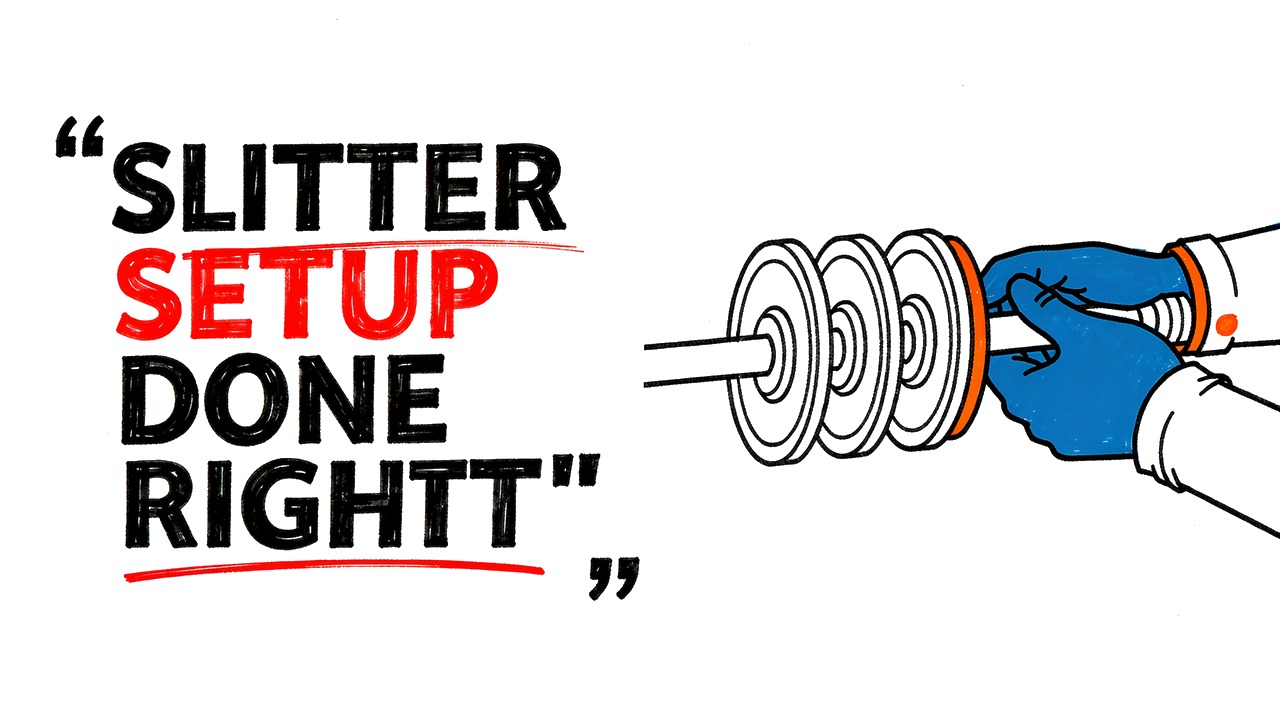
How to Set Up a Slitterhead for Three Perfect 355mm Cuts
A slitterhead sounds simple — spinning blades, wide roll in, narrow strips out. But the math and mechanics behind a clean cut are surprisingly unforgiving. One blade pair set a millimeter off-center, one clearance gap a fraction too wide, and an entire roll of material becomes scrap before anyone notices. This video walks through a real setup scenario: three cuts of 355mm from an incoming web width of 1155mm. Every number is shown in full — how the 90mm of total waste is calculated, how it splits into equal 45mm edge trims, and exactly where each of the three blade pairs lands on the arbor. Nothing is assumed or skipped. Beyond the positioning math, the video covers the two adjustments that actually determine cut quality: vertical overlap (how far the upper and lower blades cross) and horizontal clearance (the sideways gap between blade faces). For material in the 0.3 to 0.5mm range, these numbers get specific — overlap at 0.5mm, clearance at five to ten percent of material thickness, which works out to roughly 0.015mm to 0.030mm. Thinner than a human hair, held to a hundredth of a millimeter. Final setup steps cover arbor spacer torque, shaft parallelism checked with a dial indicator to under 0.02mm runout, web threading, and tension set to ten to fifteen percent of yield strength. These aren't suggestions — they're the industry-standard sequence that keeps a slitter running clean at production speed.
 0:55
Pourquoi les IA ont besoin d'autant de mémoire ? 🧠
Ton téléphone plante avec dix onglets ouverts… alors imagine ce qu'il faut pour faire tourner une IA comme GPT avec des centaines de milliards de paramètres ! Chaque paramètre est un minuscule nombre que le modèle doit garder en mémoire vive en permanence — comme un puzzle géant où toutes les pièces doivent être étalées en même temps. Et ce n'est pas tout : le mécanisme d'attention oblige l'IA à comparer chaque mot à tous les autres, ce qui fait exploser la mémoire dès que le texte s'allonge. Un modèle de 70 milliards de paramètres peut peser jusqu'à 280 gigaoctets en pleine précision ! La vraie course dans le monde de l'IA, ce n'est pas celle des neurones — c'est celle des octets. 💾
 0:58
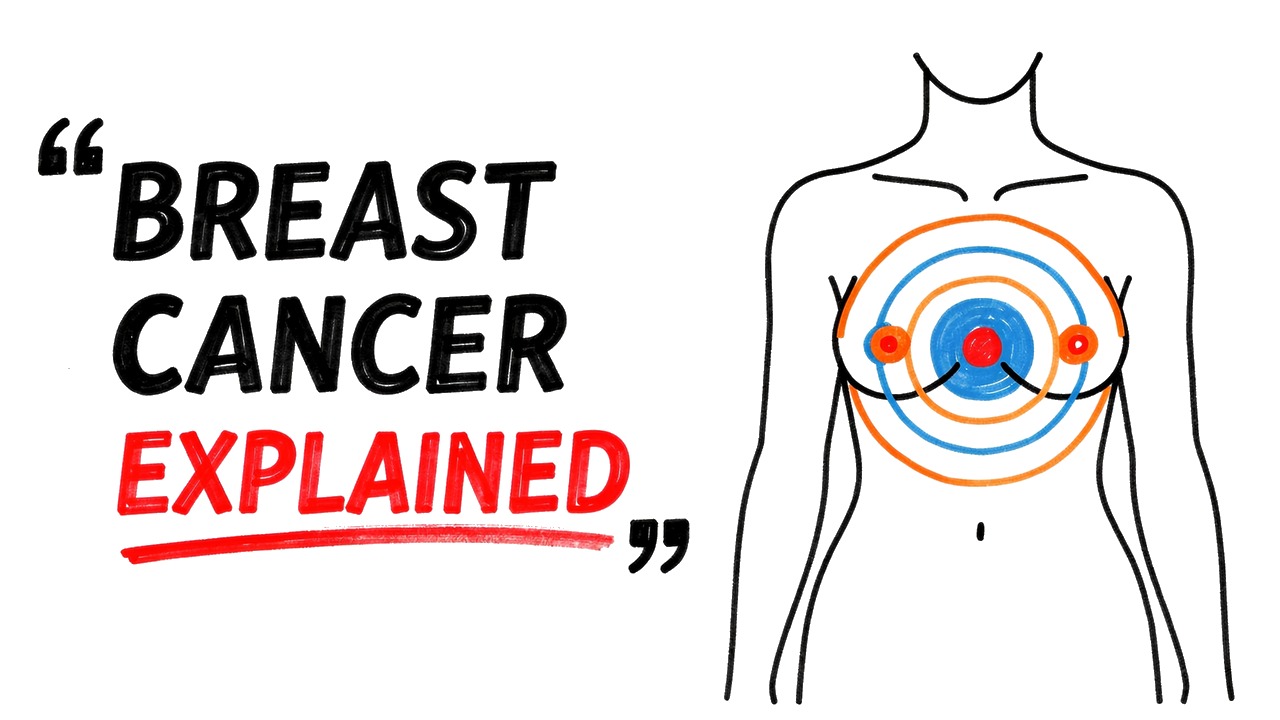
What Does "Stage 2 Breast Cancer" Actually Mean?
When a doctor says "Stage 2," most people freeze — but the number follows a clear, logical system. Breast cancer is staged from 0 to 4 based on three factors: tumor size, lymph node involvement, and whether the cancer has spread to distant organs. Understanding those three things makes the whole picture click. Think of it like a fire spreading through a building. Stage 0 is a tiny flame trapped in one room — abnormal cells that haven't invaded surrounding tissue yet. By Stage 4, the fire has reached other floors entirely, meaning distant organs like the lungs or bones. But even Stage 4 isn't a death sentence — modern targeted therapies have helped many patients live for years. Here's the most important takeaway: the stage doesn't measure how aggressive the cancer is. It measures how much time passed before it was caught. Earlier detection = earlier stage = better odds. That's why regular screenings aren't optional — they're everything.
 5:12
PDC Apps es el catálogo compartido de los artifacts, tableros, portales y sitios que cream
PDC Apps es el catálogo compartido de los artifacts, tableros, portales y sitios que creamos en PDC. Su propósito es sencillo: reunir sus enlaces para que podamos encontrarlos, abrirlos y aprovechar lo que otros equipos ya construyeron. Puedes entrar únicamente para usar una herramienta. No necesitas saber programar ni crear una app. Empecemos por el catálogo. Cada ficha muestra el nombre de la herramienta, su clasificación y la información disponible sobre su responsable. Revisa la ficha y utiliza Abrir app para ir al sitio original. Usa el buscador para encontrar herramientas y los Mundos
 1:01
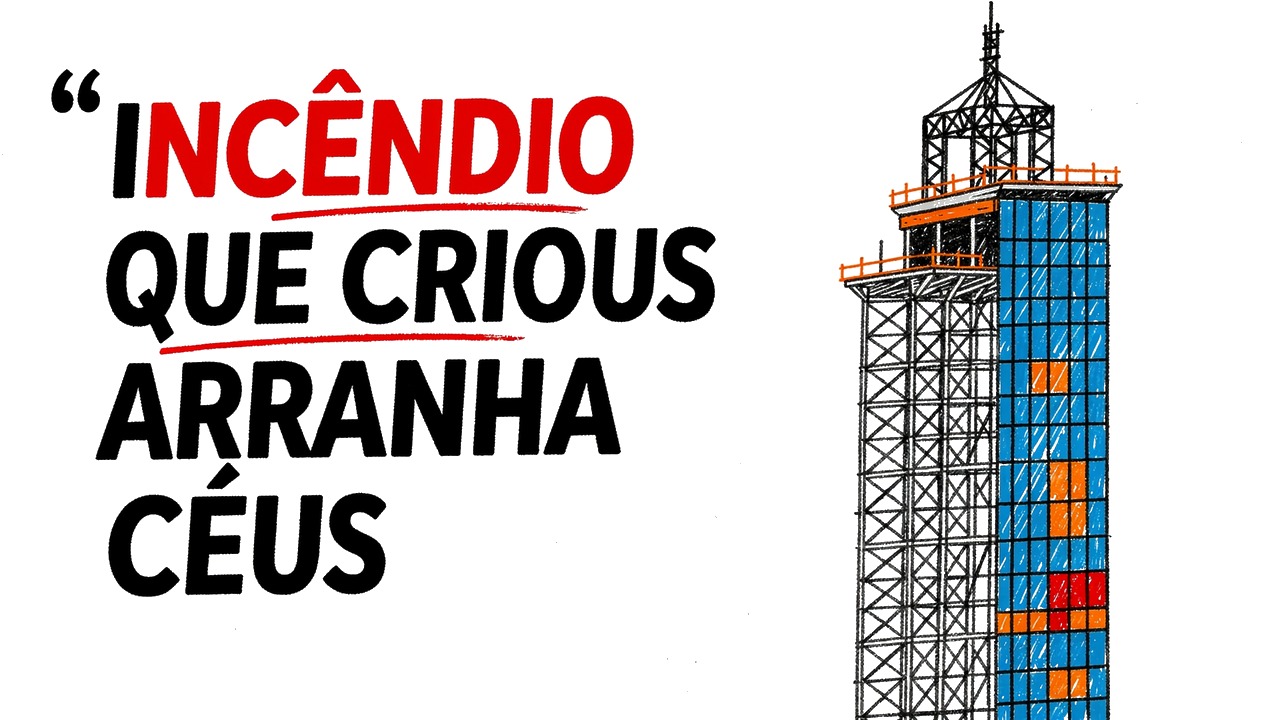
O Incêndio Que Inventou o Arranha-Céu Moderno 🔥
Em 1871, Chicago virou cinzas — e foi dessa destruição que nasceu a arquitetura que moldou todas as cidades do mundo. A Escola de Chicago criou o esqueleto de aço, libertou as paredes e transformou o vidro em protagonista. Tudo isso em menos de 30 anos. Louis Sullivan cunhou o princípio que ainda governa a construção moderna: a forma segue a função. Não era minimalismo frio — era honestidade estrutural. Os ornamentos existiam, mas nasciam da própria lógica do edifício, não de mentiras decorativas coladas na fachada. Hoje, todo arranha-céu em São Paulo, Dubai ou Tóquio roda o mesmo código que Sullivan escreveu em 1885. A tecnologia mudou, os algoritmos chegaram — mas o esqueleto de aço continua de pé. 🏙️